
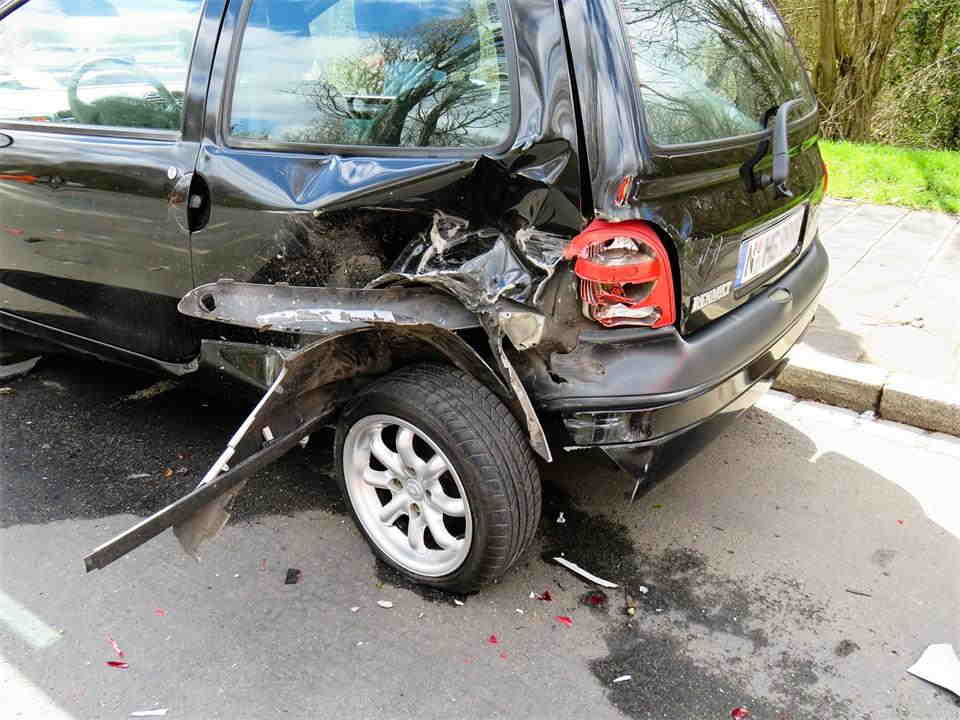
If you’ve been in a car accident, one of the first questions that comes to mind – especially if you’re injured or facing expensive repairs – is whether you can sue the other driver.
The short answer is yes, you can. But whether you should, and how the process works, depends on several factors, including:
- Who was at fault
- How severe your injuries are
- What your insurance covers
- Whether the other driver has adequate insurance.
Understanding how the process works helps you make smarter decisions instead of reacting emotionally in a stressful moment.
Determining Fault
Before you even think about filing a lawsuit, fault needs to be established.
Most car accident claims are based on negligence. This means the other driver had a duty to operate their vehicle safely, they breached that duty (for example, by speeding or running a red light), and their actions caused your injuries or property damage.
Police reports, witness statements, traffic camera footage, and vehicle damage patterns all help determine fault. Insurance companies conduct their own investigations, but their goal is often to minimize payouts.
If the other driver is clearly at fault, your path becomes more straightforward. If fault is disputed, things can become more complicated, especially in states that follow comparative negligence rules, where your compensation may be reduced if you’re partially responsible.
Most Claims Start With Insurance
In most cases, you don’t immediately sue the other driver. Instead, you file a claim with their insurance company.
The at-fault driver’s liability insurance is typically responsible for your medical expenses, lost wages, and property damage up to their policy limits. If the insurance company accepts fault and offers a fair settlement, the situation may be resolved without a lawsuit.
However, problems arise when the insurance company disputes liability, downplays your injuries, or offers an unreasonably low settlement. That’s when you may consider taking legal action.
When Filing a Lawsuit Makes Sense
You’re more likely to sue if:
- The insurance company denies your claim
- The settlement offer doesn’t cover your medical bills or lost income
- Your injuries are serious or long-term
- The at-fault driver has minimal insurance coverage
- There’s a dispute about fault
If your damages exceed the policy limits, you may pursue a lawsuit against the driver. In reality, many cases still settle before reaching trial, but filing a lawsuit creates leverage and formalizes the dispute. It also forces the insurance company to take the claim more seriously.
What You Can Recover
If you sue and win, you may be entitled to several types of damages.
- Economic damages include measurable losses like medical bills, rehabilitation costs, lost wages, and future medical expenses. If your injuries prevent you from returning to work, future earning capacity can also be calculated.
- Non-economic damages compensate for pain and suffering, emotional distress, and reduced quality of life.
- In rare cases involving extreme recklessness (like drunk driving), punitive damages may be awarded to punish particularly egregious behavior.
The value of your claim depends heavily on the severity of your injuries and the strength of the evidence supporting fault.
The Legal Process
If negotiations fail and you decide to sue, the process begins with filing a complaint in civil court. This document outlines your allegations and the compensation you’re seeking. The defendant responds and both sides enter a phase called discovery. During discovery, attorneys do all of the complicated paperwork stuff, like exchanging evidence and requesting documents.
Many cases settle during or after discovery. Trials are costly and time-consuming, so both sides often prefer negotiated resolutions. However, your situation may be different – you never know. If the case does go to trial, a judge or jury determines liability and damages.
Why Hiring an Attorney Matters
Technically, you can file a lawsuit on your own. However, it’s almost never the smartest idea. Car accident cases involve legal strategy, procedural deadlines, medical documentation, and negotiation with insurance companies that have experienced defense teams. An experienced auto accident attorney understands how to calculate damages accurately and present evidence strategically to persuade the judge/jury.
Most personal injury attorneys work on a contingency fee basis, meaning they’re paid a percentage of your settlement or award. If you don’t win, you typically don’t owe attorney fees.
Statute of Limitations
You don’t have unlimited time to sue. Each state has a statute of limitations that sets a deadline for filing a lawsuit. In many states, it’s two or three years from the date of the accident, but this varies. If you miss that deadline, you may lose your right to pursue compensation entirely. That’s why it’s important not to delay long at all.
Should You Sue?
The decision to sue shouldn’t be an emotional one. It should be based on whether your financial and medical needs are being fairly addressed.
If your injuries are minor and the insurance company offers a reasonable settlement that covers your costs, litigation may not be necessary. But if you’re facing ongoing medical treatment, lost income, and long-term consequences, filing a lawsuit may be the only way to protect yourself.
Understanding how the system works gives you the clarity to move forward confidently – whether through a settlement or through a drawn-out court process. Good luck!